
Are marine protected areas as effective as they seem?
A global analysis of shallow reef MPAs suggests that less than 2% of global oceans may be protected by ecologically effective MPAs, falling short of the global goal of 30% by 2030.

Heather Cayton2026-09-15T11:11:26-04:00September 14th, 2026|Digests|
A global analysis of shallow reef MPAs suggests that less than 2% of global oceans may be protected by ecologically effective MPAs, falling short of the global goal of 30% by 2030.

Heather Cayton2026-08-24T10:30:40-04:00August 7th, 2026|Climate Change, Digests|
A global analysis of more than 1,700 butterfly species reveals widespread climate-driven range shifts, highlighting the importance of connected landscapes that allow species to adapt.

Heather Cayton2026-07-30T11:30:13-04:00July 31st, 2026|Climate Change, Digests|
A global assessment projects that nearly 80% of the world's land area will experience reduced climate connectivity under future warming.

Heather Cayton2026-07-09T12:56:13-04:00June 24th, 2026|Digests|
A new analysis shows that protecting connected forests to meet 30x30 goals may cost far less than previously thought, as global market responses can offset reduced timber production.

Heather Cayton2026-06-16T12:28:24-04:00June 18th, 2026|Corridors Science, Digests|
Global data from forest islands and forest fragments show that improving tree cover and landscape connectivity around small forest fragments can dramatically increase bird diversity and reduce local extinctions.

Heather Cayton2026-08-27T11:21:09-04:00June 12th, 2026|Climate Change, Digests|
Climate-driven plant migrations can help maintain biodiversity, but new research shows that protecting climate refugia and connected landscapes will be essential because species movement alone cannot prevent many future plant extinctions.

Heather Cayton2026-05-26T16:06:40-04:00May 25th, 2026|Digests|
A global analysis of the 30×30 conservation target shows that expanding well-connected protected areas could affect billions of people, highlighting the need for equitable, locally led conservation.

Heather Cayton2026-05-26T15:31:44-04:00May 13th, 2026|Climate Change, Digests|
A global assessment of more than 3,500 terrestrial and marine species shows that while observed range shifts often follow the predicted direction, species frequently move much faster than climate models anticipate.
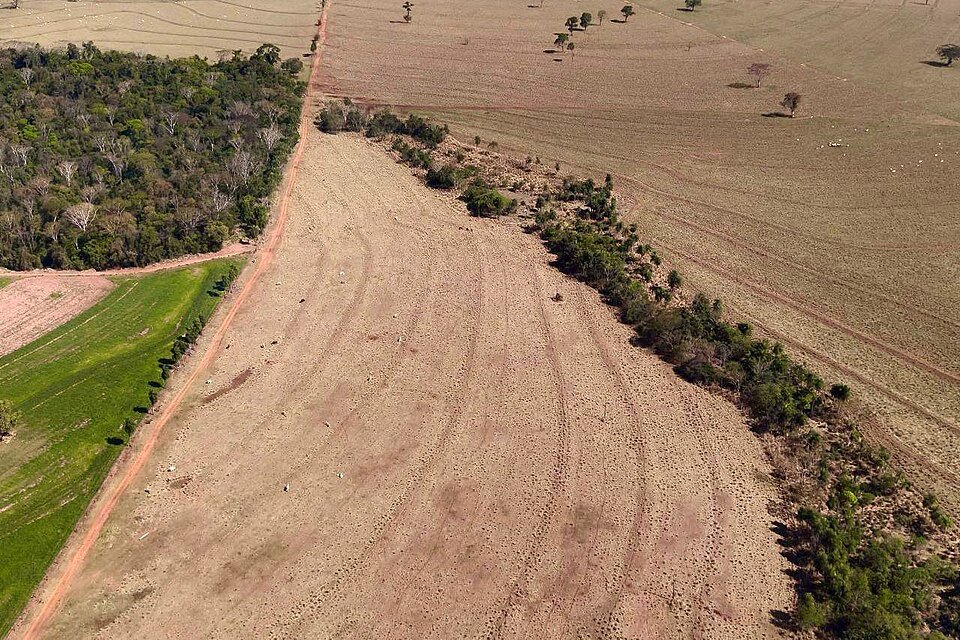
Heather Cayton2026-02-23T09:45:34-05:00February 23rd, 2026|Corridors Science, Digests|
As forests become more patchy, they not only lose connectivity but also see a disruption in the land-atmosphere feedbacks that help stabilize regional water cycles.

Heather Cayton2026-01-13T10:44:05-05:00January 16th, 2026|Climate Change, Digests|
A recent climate-informed approach to landscape planning outlines a five-step process that integrates climate change exposure and refugia information to strengthen conservation and management decisions.

Heather Cayton2026-01-22T09:51:18-05:00January 12th, 2026|Corridors in Management, Digests|
A global comparison of canid and felid travel routeways uncovers consistent, unexpected differences, with implications for conservation connectivity planning.

Heather Cayton2025-12-08T09:09:31-05:00December 10th, 2025|Digests|
A global assessment of marine protected areas identifies climate resilient marine refugia and reveals major protection gaps, offering a clear roadmap for strengthening ocean conservation and advancing global 30x30 goals.

Heather Cayton2025-11-04T08:41:17-05:00October 7th, 2025|Digests|
A new global analysis uses multiple metrics incorporating habitat connectivity and aggregation to reveal that more than half of the world’s forests have become increasingly fragmented since 2000.

Heather Cayton2025-09-30T09:35:52-04:00September 12th, 2025|Corridors Science, Digests|
Deep-sea ecosystems are more connected across oceans than shallow water ecosystems, emphasizing the need for conservation strategies that protect biodiversity at all depths.

Alice Dykstra2025-07-03T11:42:31-04:00May 30th, 2025|Climate Change, Digests|
A global assessment of range shifts in the ocean under climate change shows that the deepest zones are likely to lose the highest amount of connectivity.

Heather Cayton2024-10-02T11:11:21-04:00September 24th, 2024|Corridors Science|
More precise measurements of degradation in tropical moist forests show that edge effects, recovery times, and forest vulnerability are much greater than previously thought.

Heather Cayton2024-02-23T10:12:38-05:00August 15th, 2023|Corridors Science, Digests|
An analysis of forest fragmentation across the globe shows where forests are most intact, and where deforestation and loss of connectivity are accelerating.

Heather Cayton2024-02-23T10:18:05-05:00July 30th, 2021|Corridors Science, Digests|
A global analysis of wind patterns and forest genetics shows how landscape wind connectivity plays a role in the ecology and evolution of trees.

Elizabeth Schultheis2024-02-23T10:18:47-05:00February 19th, 2021|Corridors Science, Digests|
Forests provide important ecosystem services, such as sequestering carbon and preserving biodiversity. However, not all remaining forests are in the same condition; a new tool finds most are fragmented and disturbed by human pressures.

Luis Santiago Castillo2024-11-11T10:36:07-05:00November 16th, 2020|Corridors Science, Digests|
A new assessment of connectivity in the tropics includes a human impact factor, and suggests that connectivity in the region may not be as high as previously thought, impacting progress toward Aichi Target 11 goals.
| State | Year | Policy | Description |
|---|---|---|---|
| New Hampshire | 2026 | SB592 | Enables regional, conservation, and energy resource planning for habitat strongholds and wildlife corridors |
| New Hampshire | 2019 | SB200 | Requires the New Hampshire Department of Transportation to consider fish and wildlife crossings and mitigation measures in all future road and culvert projects |
| New Hampshire | 2016 | SB376 | Requires the fish and game department to identify existing and needed wildlife corridors connecting wildlife habitats in the state and to make recommendations for legislative changes |
| State | Year | Policy | Description |
|---|---|---|---|
| Maine | 2023 | LD258 | Appropriates $7.5 million to Department of Transportation to improve roadways with potential adaptations for wildlife |
| Maine | 2023 | LD1881 | Establishes compensation fee program relating to fish and wildlife habitats and associated corridors, including compensation paid by solar energy development |
| Maine | 2023 | LD508 | Requires Department of Environmental Protection to review its permitting laws concerning climate change, habitat connectivity, ecological resilience, and coastal environments |
| State | Year | Policy | Description |
|---|---|---|---|
| Massachusetts | 2022 | H.5151 | Directs the Massachusetts Department of Transportation to evaluate potential wildlife crossing projects throughout the state and publish findings by the end of the year |
| State | Year | Policy | Description |
|---|---|---|---|
| New Jersey | 2025 | S3618 | Directs state agencies to develop a Wildlife Corridor Action Plan |
| New Jersey | 2024 | S3916/A5486 | Expands eligibility for existing wildlife fencing programs by including farmers leasing farmland |
| New Jersey | 2007 | NJAC7:13 | Requires the state to incorporate wildlife crossings or a natural bank for terrestrial threatened and endangered species and/or species of concern when a new bridge or culvert project would cause habitat fragmentation |
| State | Year | Policy | Description |
|---|---|---|---|
| New Mexico | 2023 | SB72 | Appropriates money to new Wildlife Corridors Fund for implementation of wildlife crossing projects under New Mexico Wildlife Corridor Action Plan |
| New Mexico | 2022 | HB 2 | Allocates funding for projects to reduce wildlife-vehicle collisions and allows the Department of Transportation and Department of Game to implement their Wildlife Corridors Action Plan |
| New Mexico | 2019 | SB 228 | Requires the creation of a Wildlife Corridor Action Plan that includes comprehensive guidance to agencies for identifying, prioritizing and maintaining important areas for wildlife movement |
| State | Year | Policy | Description |
|---|---|---|---|
| Idaho | 2026 | SCR124 | Funds the development and implementation of wildlife crossings |
| State | Year | Policy | Description |
|---|---|---|---|
| Washington | 2023 | HB1216/SB5196 | Requires Department of Ecology to prepare environmental impact statements for clean energy projects that consider impacts to habitat connectivity and wildlife migration corridors |
| Washington | 2022 | SB5689 | Provides funding for US 97 Wildlife Crossing Improvements project |
| Washington | 2019 | SEO 1031.02 | Recognizes the effect of roadways in creating barriers to wildlife movement, breeding, and migrations; the Washington State Department of Transportation will promote and support Practical Solutions and Planning and Environmental Linkages to integrate habitat connectivity and biodiversity plans; will make use of the highway prioritization map known as Habitat Connectivity Investment Priorities; and will corporate and coordinate with other agencies involved in wildlife habitat protection, specifically along highways |
| State | Year | Policy | Description |
|---|---|---|---|
| Wyoming | 2026 | SF0052 | Allocates funds for restoration of aquatic habitats including barrier removal for fish |
| Wyoming | 2025 | SF0088 | Allocates funds for projects improving wildlife connectivity including fence removal, wildlife crossings improvements, and habitat restoration |
| Wyoming | 2024 | SF0060 | Provides funds to help maintain primary migration corridors for ungulates in the Little Snake River Conservation District |
| Wyoming | 2023 | SF0106 | Provides funds for large wildlife crossing projects across the state |
| Wyoming | 2022 | SF0048 | Approves funding for specific wildlife crossings and aquatic connectivity initiatives |
| Wyoming | 2021 | SF066 | Provides funds for large wildlife crossing projects across the state |
| Wyoming | 2020 | EO 1 | Designates three mule deer migration corridors and establishes the process whereby future corridors can be designated |
| Wyoming | 2020 | HB 69 | Establishes a system wherein funding from outdoor recreation can be appropriated for wildlife conservation efforts related to the state’s transportation system |
| Wyoming | 2018 | HB39 | Proceeds from the newly established wildlife conservation license plates are allocated to wildlife connectivity improvements to the state transportation system |
| State | Year | Policy | Description |
|---|---|---|---|
| Vermont | 2023 | Act59 | Vermont's 30x30 law that commits to conserving and maintaining an ecologically functional landscape that sustains biodiversity and maintains landscape connectivity |
| Vermont | 2016 | Act 171 | Primarily focuses on timber harvesting regulations, but calls for a study of necessary revisions to planning statutes that protect contiguous areas of forestland from fragmentation and promote habitat connectivity between forestlands |
| State | Year | Policy | Description |
|---|---|---|---|
| Nevada | 2025 | AB486 | Requires additional wildlife-related reporting when developing transportation projects in the state |
| Nevada | 2023 | AB112 | Requires the Nevada Department of Transportation and the Nevada Department of Wildlife to construct wildlife crossings in specific areas |
| Nevada | 2021 | EO 18 | Requires the establishment of a Habitat Conservation Framework; in support of this goal, the Nevada Department of Wildlife will develop a statewide connectivity plan and collaborate with the Nevada Department of Transportation on the implementation of the plan |
| Nevada | 2021 | AB211 | Requires developers to consider impacts on wildlife and their habitats when making development plans |
| State | Year | Policy | Description |
|---|---|---|---|
| Virginia | 2026 | HB597 | Establishes Wildlife Corridor Grant Fund to support wildlife corridors and wildlife crossing infrastructure projects |
| Virginia | 2024 | HB309 | Requires development of a Forest Conservation Plan, with highest priority given to areas adjacent to wildlife corridors or large contiguous blocks of forest |
| Virginia | 2021 | SB 1274 | Directs state agencies to incorporate, where applicable, wildlife corridors and other recommendations made in the state Wildlife Corridor Action Plan; and directs the Department of Wildlife Resources to incorporate wildlife corridors and recommendations of the Plan when developing any governmental strategic plan, map or action |
| Virginia | 2020 | SB 1004/HB 1695 | Calls for the identification of wildlife corridors and existing or planned threats to wildlife movement, and for recommendations of priority areas for corridor projects |
| Virginia | 2020 | SB1004 | Directs state agencies to create a Wildlife Corridor Action Plan that would identify barriers to wildlife movement, prioritize and recommend wildlife crossing projects, and create a map that highlights high-priority areas for wildlife corridor infrastructure |
| State | Year | Policy | Description |
|---|---|---|---|
| Utah | 2026 | HB0431 | Provides funding for wildlife connectivity and livestock protection projects |
| Utah | 2022 | HB 427 | Requires the Utah Department of Transportation to include an analysis of wildlife and livestock mitigation measures in their annual report on the status of state transportation systems |
| Utah | 2022 | HB3 | Provides funding to construct wildlife crossing over Interstate 84 |
| Utah | 2020 | HCR 13 | Urges continued state investment in wildlife connectivity, encouraging state and local agencies to adopt policies that protect and restore intact fish and wildlife connectivity, migration corridors and promote road safety |
| State | Year | Policy | Description |
|---|---|---|---|
| Pennsylvania | 2023 | HR87 | Requires state government to study and issue report on current status, management and benefits of conservation corridors in the state |
| State | Year | Policy | Description |
|---|---|---|---|
| Oregon | 2026 | HB4134 | Increases state lodging tax to support wildlife conservation measures such as migratory waterfowl conservation |
| Oregon | 2025 | HB2978 | Expands collaboration between state agencies for wildlife crossing efforts and requires them to incorporate wildlife vehicle collision guidance into highway design |
| Oregon | 2022 | HB 5202 | Allocates funding for projects that reduce wildlife-vehicle collisions and improve habitat connectivity, and for projects to remove barriers that support fish passage through the state’s rivers and streams |
| Oregon | 2019 | HB 2834 | Directs agencies to develop a Wildlife Corridor Action Plan to preserve long-term habitat connectivity for wildlife, and requires the state Department of Transportation to establish a program to reduce wildlife-vehicle collisions |
| State | Year | Policy | Description |
|---|---|---|---|
| North Carolina | 2023 | HB259 | Provides money to build highway crossings to improve highway safety and wildlife connectivity |
| State | Year | Policy | Description |
|---|---|---|---|
| Minnesota | 2023 | HF2310 | Provides funds to enhance habitat connectivity within and between urban parks and the Mississippi River Flyway |
| State | Year | Policy | Description |
|---|---|---|---|
| Montana | 2025 | HB855/HB932 | Establishes the state’s first dedicated funding streams for wildlife crossings |
| State | Year | Policy | Description |
|---|---|---|---|
| Maryland | 2025 | HB 731/SB 635 | Establishes Maryland Connectivity Coalition, strengthens oversight of wildlife crossings, and requires habitat connectivity to be considered in transportation and land use planning |
| Maryland | 2024 | HB22/SB178 | Requires State Highway Administration to include policies and procedures for pollinator corridors along state highways |
| State | Year | Policy | Description |
|---|---|---|---|
| Colorado | 2026 | SB141 | Creates optional collision prevention fee to fund wildlife safe passage projects |
| Colorado | 2025 | HB1093 | Restricts local limits on residential density unless offset elsewhere, exempts areas near wildlife crossings, and allows municipalities to seek judicial review of land use initiatives |
| Colorado | 2023 | SB 23-092 | Encourages minimal impacts to wildlife migration corridors when constructing solar panel farms |
| Colorado | 2023 | SB 214 | Appropriates funding to the Colorado Wildlife Safe Passages Fund for wildlife crossing projects |
| Colorado | 2022 | SB22-151 | Creates a $5 million fund for measures that reduce wildlife-vehicle collisions and reconnect habitat fragmented by roads |
| Colorado | 2022 | HB22-1072 | Expands the scope of Habitat Partnership Program to fund efforts to conserve wildlife migration |
| Colorado | 2021 | SJR 21-021 | Aims to protect and enhance habitat connectivity in the state through the establishment of a working group to develop state policies on corridors, as well as the commission of a report on state corridors and voluntary policies to support willing landowners in improving connectivity |
| Colorado | 2019 | EO 11 | Directs Colorado agencies to identify policy, regulatory, and legislative opportunities to ensure the ongoing conservation of seasonal big game habitat and migration corridors |
| Colorado | 2018 | SB 18-143 | States explicit goals for Division of Parks and Wildlife to invest in habitat conservation and wildlife crossings |
| State | Year | Policy | Description |
|---|---|---|---|
| California | 2026 | SB1250 | Requires the Department of Transportation (Caltrans) to include wildlife connectivity corridors and needs into its infrastructure project planning |
| California | 2024 | AB1889 | Requires counties and municipalities to conserve wildlife corridors when planning new developments |
| California | 2023 | AB1760 | Calls for a statewide analysis of wildlife corridors and connectivity to support conservation planning and climate change adaptation activities. |
| California | 2023 | SB145 | Outlines provisions for transportation-related environmental mitigation, including funding for wildlife corridors, property and credit purchases for mitigation, reporting requirements, and mandates for wildlife crossings along Interstate 15. |
| California | 2023 | SB101 | Provides funding for wildlife corridors and open spaces, including projects to improve connectivity and reduce barriers between habitat areas. |
| California | 2022 | AB2344 | Establishes a state program to address roads with high wildlife-vehicle collisions, authorizes Caltrans to develop standalone wildlife connectivity projects, mandates an inventory and prioritization system for critical areas, and requires integration of wildlife passage features into relevant road designs. |
| California | 2022 | AB1384 | Requires agencies to address vulnerabilities in Safeguarding California Plans, including protecting and enhancing wildlife corridors |
| California | 2021 | SB790 | Approves compensatory mitigation credits for wildlife connectivity actions |
| California | 2021 | AB1183 | Establishes the California Desert Conservation Program to protect biodiversity, including the protection and enhancement of habitat connectivity |
| California | 2021 | AB128 | Appropriates funding for wildlife crossing projects, including the Liberty Canyon crossing for mountain lions |
| California | 2015 | AB 498 | Amends the California Fish and Game Code to encourage, wherever feasible, voluntary steps to protect the functioning of wildlife corridors |
| California | 2014 | AB1471 | Provides funds to the Sacramento- San Joaquin Delta Conservancy, in part to protect and restore aquatic, wetland, and migratory bird ecosystems including corridors. |
| California | 2008 | AB2785 | Orders Dept. of Fish & Wildlife to investigate, study, and identify key wildlife corridors and linkages within the state, and to make those areas public |
| State | Year | Policy | Description |
|---|---|---|---|
| Florida | 2024 | SB1638 | Dedicates annual funding to land purchases, conservation easements, and trail maintenance within Florida Wildlife Corridor |
| Florida | 2023 | HB1379 | Creates annual appropriation to acquire lands that complete certain linkages and are under high population stress within Florida Wildlife Corridor |
| Florida | 2023 | SB2500 sec.146 | Provides funding to buy Ocala to Osceola (“O2O”) Wildlife Corridor |
| Florida | 2021 | SB976 | Tasks state agencies with maintaining wildlife connectivity and designates Florida Wildlife Corridor as an existing physical, geographically defined area |
| Florida | 2021 | SB2500 | Appropriates $300 million to acquire lands to conserve Florida Wildlife Corridor |
| Florida | 2019 | SB7068 | Creates a "Multi-use Corridors of Regional Economic Significance Program" that includes protection of wildlife corridors as an intended benefit |
| Florida | 2008 | SB542 | Amends Florida Forever Act statues to include goals of connecting linkage corridors |
| Florida | 2001 | SB1468 | Amends Florida Forever Act to establish that land acquisitions should include complete landscape linkages and corridors |
| Florida | 1999 | S908 | Creates Florida Forever Program, with increased protection of lands that protect threatened or endangered species and plans to create a statewide system of connected landscape linkages |
| State | Year | Policy | Description |
|---|---|---|---|
| Alabama | 2016 | SB54 | Tasks the Alabama Trails Commission with creating a statewide system of interconnected landscape linkages, conservation corridors, and other recreation-focused corridors |