
Connectivity Science
Digests on the science of connectivity and corridors

World’s largest dam removal leads to rapid fish recolonization
The removal of four dams along the Klamath River in Oregon enabled Chinook salmon to rapidly recolonize nearly 90% of their historical range.

Landscape quality drives ecological responses to habitat loss and fragmentation
A large-scale experiment of cactus bugs in central Florida underscores how the quality of the surrounding landscape can have outsized effects on habitat patches.

Reviewing four decades of fragmentation metrics
A review of fragmentation metrics since 1990 shows how methodologies have shifted over time, and what work still needs to be done to ensure transferable and ecologically grounded research.

High-quality matrices support bird diversity in forest fragments
Global data from forest islands and forest fragments show that improving tree cover and landscape connectivity around small forest fragments can dramatically increase bird diversity and reduce local extinctions.

New book released on regional landscape conservation planning
Regional Landscape Conservation Planning synthesizes conservation science and spatial planning approaches to show how landscape connectivity can support biodiversity, ecosystem resilience, and sustainable land-use policy at regional scales.

Aquatic-terrestrial connectivity sustains communities
Extensive surveys across the United States show that aquatic insect richness strongly shapes bird communities, underscoring the deep ecological connections between freshwater and terrestrial ecosystems.

Connectivity and habitat edges affect multiple plant-arthropod interactions
Experimental habitat corridors in a fragmented longleaf pine ecosystem reveal the complexity of interactions between plants and their associated pollinators, florivores, and spiders.
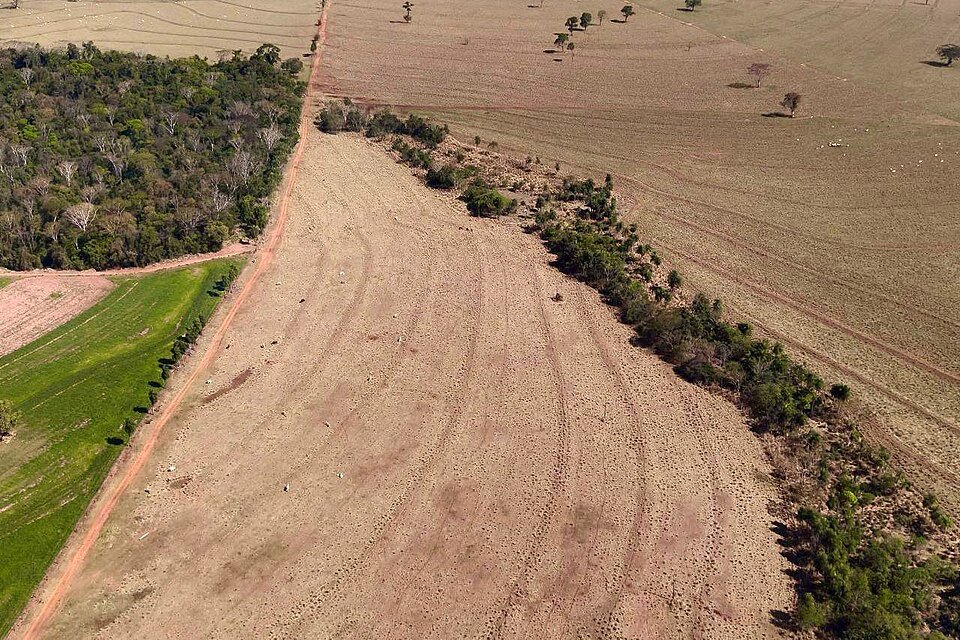
Forest fragmentation and loss intensifies droughts
As forests become more patchy, they not only lose connectivity but also see a disruption in the land-atmosphere feedbacks that help stabilize regional water cycles.

Planning approaches for coastal connectivity under sea-level rise
A comparison of two complementary modeling approaches in Florida provides a universal pathway for resilient coastal planning and design.

The role of the matrix at patch and landscape scales
A study on cactus bugs in an experimental Florida landscape underscores the importance of matrix habitat immediately adjacent to habitat fragment edges.

How easy is it for insects to navigate urban areas?
An assessment of green space availability for solitary bees in New York City uses open-source data and software to better determine how pollinators are impacted by urban connectivity.

Indigenous areas provide crucial ecosystem connectivity
Indigenous territories and protected areas cover over half of the Amazon basin and sustain significantly high levels of ecosystem connectivity, making them a vital part of protected area networks.