

Habitat fragmentation is widespread globally. However, understanding how fragmentation impacts biodiversity is difficult because breaking up habitat leads to multiple changes simultaneously, such as a loss of connectivity, increased edge, and smaller patch sizes. Each of these habitat changes could affect species in different ways, but separating out these effects is challenging.
A second challenge is that species in a community are interacting, and these interactions are often interdependent. For example, pollinators interact with plants, but this interaction can change if there are predators of pollinators present on the plant. Multiple types of species interactions are significant for ecosystem functions, but little research on habitat fragmentation considers any species interactions, much less multiple interaction types.
Hulting, K.A., Smith, T.A.H., and Haddad, N. 2026. Habitat fragmentation affects plant–arthropod interactions through connectivity loss and edge effects. Ecology 107(2): e70322. DOI:10.1002/ecy.70322
Recent research addressed these challenges by using experimental habitat corridors at the Savannah River Site Corridor Project in South Carolina. The experiment is composed of longleaf pine savanna habitat patches that are either connected by corridors or remain unconnected, while controlling for other aspects of habitat fragmentation like increased edge habitat and habitat amount.
Researchers focused on one aster plant species (Carphephorus bellidifolius) and recorded three types of plant-arthropod interactions that occur on the flowers of this plant: 1) plant-pollinator interactions, which are important for supporting plant reproduction through pollination; 2) plant-florivore interactions, where florivores, such as certain beetles, consume flowers or seeds, often reducing plant reproductive success; and 3) plant-spider interactions, since spiders prey on pollinators and may indirectly reduce plant reproduction by deterring pollinators.
The results showed that these plant-arthropod interactions are affected in complex ways. Connectivity increased plant-pollinator interactions, specifically at habitat edges, highlighting the importance of connectivity for pollinator foraging. However, florivore interactions were decreased by habitat edges and not affected by connectivity, while spider interactions had no clear response to habitat edges or connectivity.
Surprisingly, the increase in plant-pollinator interactions in connected patches did not translate to higher plant seed production. However, many factors influence seed production besides pollinators, such as pollen and flower quality, meaning that these other factors may have been more important for pollination success.
The results highlight that species interactions may not respond uniformly to habitat fragmentation. Instead, while multiple interactions occur simultaneously, each can be influenced by different aspects of fragmentation. Accounting for the varied responses of species interactions is important for understanding community outcomes in fragmented areas.
Related Posts

Connectivity and habitat edges affect multiple plant-arthropod interactions
Experimental habitat corridors in a fragmented longleaf pine ecosystem reveal the complexity of interactions between plants and their associated pollinators, florivores, and spiders.
Habitat fragmentation and edges matter for soil microorganisms
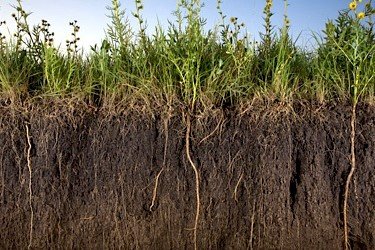
New research reveals the significant impact of fragmented habitat on bacteria and fungi in the soil, which provide key ecosystem services but are rarely studied in such a context.

Ants disperse seeds farther in habitat patches with corridors
Seed caches at the Savannah River Site Corridor Experiment reveal that patches connected by corridors have higher seed dispersal by ants than patches that are isolated.
