

The world is getting edgier – at least from a forest perspective. Nearly 1/5 of the world’s remaining forest is within 100m from an edge and 70% is within 1km of an edge, which means that the majority of forest biodiversity is subject to some degree of so-called edge effects. This has long-term consequences for forest ecosystems, as forest edges are known to be sunnier, hotter, and windier than forest interiors.
Given that climate change is predicted to cause more extreme weather events such as flooding, storms, and droughts, understanding how forest edges might respond to these changes is critical in knowing how to protect their associated biodiversity.
Koelemeijer, I.A., Ehrlén, J., De Frenne, P., Jönsson, M., Berg, P. and Hylander, K. 2023. Forest edge effects on moss growth are amplified by drought. Ecological Applications 33: e2851.
One way to do this is by measuring the performance of species that exist at forest edges, particularly those that are sensitive to moisture. An excellent example of this is moss. In the same way that measuring tree rings can give clues to past environmental conditions, measuring annual moss growth can reveal variation over time in microclimate, particularly ambient moisture levels and temperatures. Moss can be a good indicator of how other species that inhabit the forest edge may respond to future climate conditions.
A recent study looked at moss in a boreal landscape in central Sweden, which consists of a mix of older forest patches surrounded by younger forest stands dominated by spruce and pine trees. A severe drought in the summer of 2018 provided the opportunity to measure its impact on Hylocomium splendens, a moss species with key ecosystem functions and a useful indicator of microclimate conditions. Moss samples were collected at varying distances from the forest edge across 46 sites in 2019 and annual growth was estimated for the three years prior.
The results show that edge effects were almost double during the drought year as compared to two non-drought years based on growth rates. Edge effects were also stronger in sites that had less overall rainfall. However, there was no consistent evidence that edge effects increased with distance to edge during drought versus non-drought years.
Shade played a prominent role in reducing edge effects: forests that had denser canopies and higher trees had weaker edge effects during the drought year. It’s likely that higher canopy cover is better able to shield out the sun, leading to a weaker drying effect at the edges.
Given the increasing fragmentation of forests globally, mitigating edge effects is an increasingly important consideration in forest conservation and management. With increased temperatures, the impacts of edge effects are likely to be exacerbated, to the detriment of forest biodiversity. Creating buffer zones, maintaining canopy cover, and encouraging greater shade can potentially alleviate the worst of edge effects, leading to better protected forest biodiversity for the future.
Related Posts
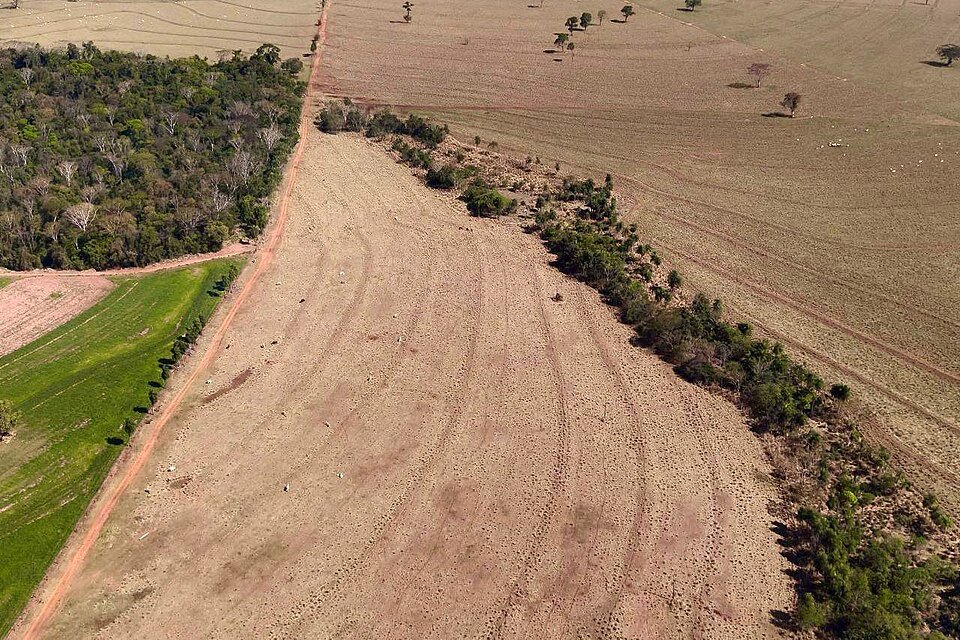
Forest fragmentation and loss intensifies droughts
As forests become more patchy, they not only lose connectivity but also see a disruption in the land-atmosphere feedbacks that help stabilize regional water cycles.
Habitat fragmentation and edges matter for soil microorganisms
New research reveals the significant impact of fragmented habitat on bacteria and fungi in the soil, which provide key ecosystem services but are rarely studied in such a context.

The extent of global tropical forest degradation
More precise measurements of degradation in tropical moist forests show that edge effects, recovery times, and forest vulnerability are much greater than previously thought.
