

Microorganisms
Microbes can be used to test connectivity and habitat fragmentation effects in small experimental microcosms. Microbial traits such as dispersal mode may be significant for understanding how microbes may respond to connectivity. However, there is very little research on connectivity and microbes in real ecosystems.
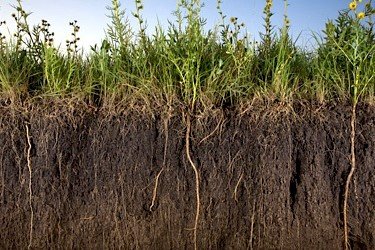
Habitat fragmentation and edges matter for soil microorganisms
New research reveals the significant impact of fragmented habitat on bacteria and fungi in the soil, which provide key ecosystem services but are rarely studied in such a context.

What does landscape connectivity look like for microorganisms?
Microbes are important to nearly every aspect of ecosystem health, yet we know little about how they experience connectivity based on their distinct natural histories.

Habitat fragmentation decreases dispersal rates and reduces habitat choice
A novel microcosm experiment using a thermally sensitive ciliate shows that the distance between patches, and the quality of patches, can have big consequences for immigration and emigration.
Search available publications by classification:
| Classification | Publication | Year | Journal | Digest |
|---|---|---|---|---|
| Microorganism | Warming effects on lizard gut microbiome depend on habitat connectivity | 2024 | Proceedings of the Royal Society B | Climate warming and connectivity shift the gut microbiome |
| Microorganism | Fragmentation mediates thermal habitat choice in ciliate microcosms | 2020 | Proceedings of the Royal Society B | Habitat fragmentation decreases dispersal rates and reduces habitat choice |
| Microorganism | Landscape connectivity for the invisibles | 2022 | Ecography | What does landscape connectivity look like for microorganisms? |
| Microorganism | Habitat specialization and edge effects of soil microbial communities in a fragmented landscape | 2025 | Ecology | Habitat fragmentation and edges matter for soil microorganisms |

